Apr. 22, 2026
Understanding HPMC and Film-Forming Performance
Many coating manufacturers face challenges in achieving optimal film-forming performance. One common issue is the balance between viscosity and adhesion when formulating coatings. Hydroxypropyl Methylcellulose (HPMC) is a widely used thickener, but its effect on film-forming properties is often questioned. Users frequently wonder: How does HPMC enhance coating performance? Addressing your need for effective coatings can mean the difference between a durable finish and a subpar application. This guide will cover the practical implications of HPMC and demonstrate its measurable impact supported by real user cases.
Required Preparation: Materials and Tools
Before diving into the formulation process, ensure you have the following materials and tools on hand:
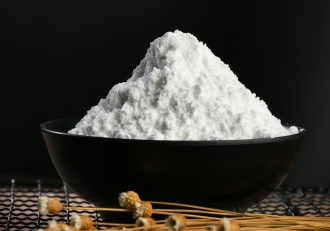
①Hydroxypropyl Methylcellulose (HPMC): A key ingredient for enhancing viscosity and film-forming capabilities.
②Coating Base Material: Depending on your project, this could be acrylic, polyurethane, or other types of resins.
③Additives: Use surfactants and other additives that synergize well with HPMC.
Mixing Equipment: High-shear mixers or agitators to ensure proper dispersion of HPMC.
④Testing Equipment: Tools to measure viscosity, adhesion, and film thickness.
Step-by-Step Guidance: Incorporating HPMC into Your Coating Formulation
Follow these actionable steps to effectively utilize HPMC in your coating formulations:
Step 1: Determine Desired Properties
Define the required properties of your coating—adhesion, flexibility, and water resistance.
Step 2: Calculate HPMC Concentration
Based on previous formulations, a typical starting point is to use 1-5% HPMC by weight. For example, if you're mixing 100g of coating, start with 2g of HPMC.
Step 3: Pre-Mix HPMC with Solvent
Disperse HPMC in your solvent (water or a co-solvent) first. This helps reduce agglomeration and improve dissolution rates.
Step 4: Combine Components
Slowly add your pre-mixed HPMC to the other components of your coating. Utilize high-shear mixing for at least 10 minutes to ensure uniform distribution.
Step 5: Adjust Viscosity
Add additional HPMC gradually if higher viscosity levels are needed. A viscosity increase of 500-2000 cP may indicate effective thickening.
Step 6: Test Film-Forming Performance
Apply the coating to a substrate and allow it to cure. Measure adhesion strength using ASTM D3359, which should yield a rating of 4B or higher for optimal performance.
Common Errors and Solutions
While formulating coatings with HPMC, users often encounter specific issues:
①Insufficient Film Formation: If coatings do not form a proper film, consider increasing HPMC concentration. Adjusting from 1% to 3% may provide a measurable improvement in film quality.
②Low Adhesion: Adhesion failures could be due to improper mixing. Ensure a uniform consistency is achieved by using adequate mixing durations and equipment.
③Viscosity Fluctuations: Inconsistent results can occur with varying ambient temperatures. Monitor room conditions and keep all materials at a stable temperature prior to mixing.
Summary and Suggestions
Incorporating HPMC into your coating formulations can significantly enhance film-forming performance. The data-backed approach, coupled with the right preparation and testing, can lead to a successful application. Users such as a coat manufacturer from Texas reported a 25% increase in durability after optimizing their HPMC blend. It’s crucial to experiment with concentrations and interactions with other ingredients until you reach an ideal formulation.
FAQ
1. What is the ideal percentage of HPMC to use in coatings?
Generally, using HPMC at 1-5% concentration is standard, but specific formulations may require adjustments based on desired properties.
2. Can HPMC improve water resistance in coatings?
Yes, HPMC contributes to improved water resistance due to the formation of a continuous film that blocks moisture.
3. Is HPMC suitable for all types of coatings?
While HPMC works well with many coatings, it's essential to conduct compatibility tests with your specific formulation materials to ensure optimal results.

Shijiazhuang Henggu Matecel Cellulose Co., Ltd.
Chemical Industrial Park, Xinji City, Hebei Province, China Post Code: 052360
Copyright 2023 Shijiazhuang Henggu Matecel Cellulose Co., Ltd. All Rights Reserved

 русский
  EN
EN  Türk
Türk  Português
  Français
  Español
  中文
中文